Buying Property in Croatia as a Foreigner: A Practical 2026 Guide
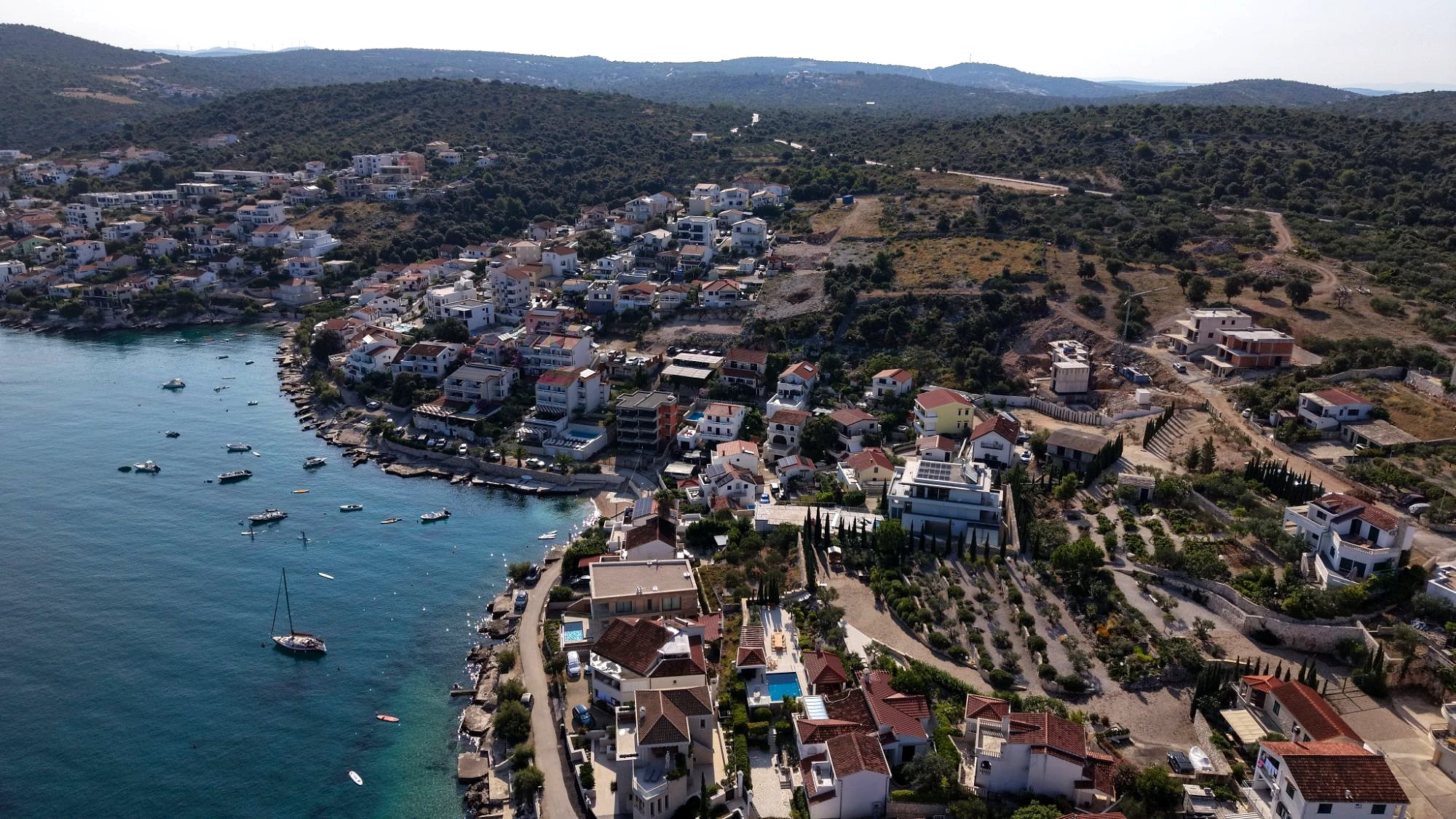
Buying property in Croatia as a foreigner is more straightforward than many people expect, especially since Croatia joined the eurozone and the Schengen Area in 2023. Whether you are looking for a holiday home on the Dalmatian coast or an investment property, the rules depend mainly on where you are a citizen. This guide explains who can buy, how the process works and what to check before you sign.
Can foreigners buy property in Croatia?
Yes. The question is how, and that depends on your citizenship.
EU and EEA citizens can buy property in Croatia on the same terms as Croatian nationals. There is no special approval and no need for a local company.
Non-EU citizens, including UK citizens since Brexit, can usually buy where a reciprocity agreement exists between Croatia and their home country. In practice this often means getting approval from the Croatian Ministry of Justice, which can add several months to the timeline. Reciprocity rules change, so your lawyer should confirm the position for your nationality before you commit.
Citizens of countries without reciprocity typically buy through a Croatian limited company (d.o.o.), which can own property in its own name.
One restriction applies to almost everyone: foreign buyers generally cannot buy agricultural land or forest. Residential plots and houses in building zones are a different category, so check how the land is classified.
How to buy property in Croatia: step by step
- Get a Croatian tax number (OIB). Every buyer needs one. It is free and quick to arrange, often through your lawyer.
- Appoint an independent lawyer. They should act for you, not the seller, and speak your language.
- Run the legal checks. Your lawyer confirms the seller is the registered owner in the land registry (zemljišna knjiga), that the land registry and cadastre match, that there are no mortgages or claims on the property, and that the building has valid permits.
- Sign a preliminary contract. This sets the price, timeline and conditions. A deposit of around 10% is common at this stage.
- Sign the final contract and pay. The signature is certified by a notary and the balance is paid.
- Register the property in your name. Your lawyer files the contract with the land registry. You then receive a decision from the tax office on any transfer tax due.
For new builds bought off-plan, payments are usually staged against construction milestones. Ask how each payment is protected and when ownership is registered.
What to check before you sign
- Permits: the building permit and, for completed homes, the use permit (uporabna dozvola).
- Land registry: a clean, up-to-date extract showing the seller as owner.
- Access and utilities: legal road access, water, electricity and sewage connections.
- Rental plans: if you plan to rent the property to tourists, check it can be licensed. Rules differ for standalone villas and apartments in shared buildings.
- Total costs: taxes and fees add to the price. Our guide to the costs of buying property in Croatia breaks them down.
How long does it take?
For EU buyers purchasing a completed property with clean paperwork, the process can take a few weeks. Non-EU buyers who need Ministry of Justice approval should plan for longer. Off-plan purchases follow the construction schedule.
Frequently asked questions
Can UK citizens buy property in Croatia after Brexit? Generally yes, on the basis of reciprocity, though approval from the Ministry of Justice may be needed. Confirm the current position with a Croatian lawyer.
Do I need to live in Croatia to buy property there? No. Residency is not required to own property in Croatia.
Does buying property in Croatia give me residency? No. Owning property does not by itself grant a residence permit, although it can support some applications.
Can I buy property in Croatia remotely? Yes. With a power of attorney, your lawyer can complete most steps on your behalf.
Buying directly from the developer
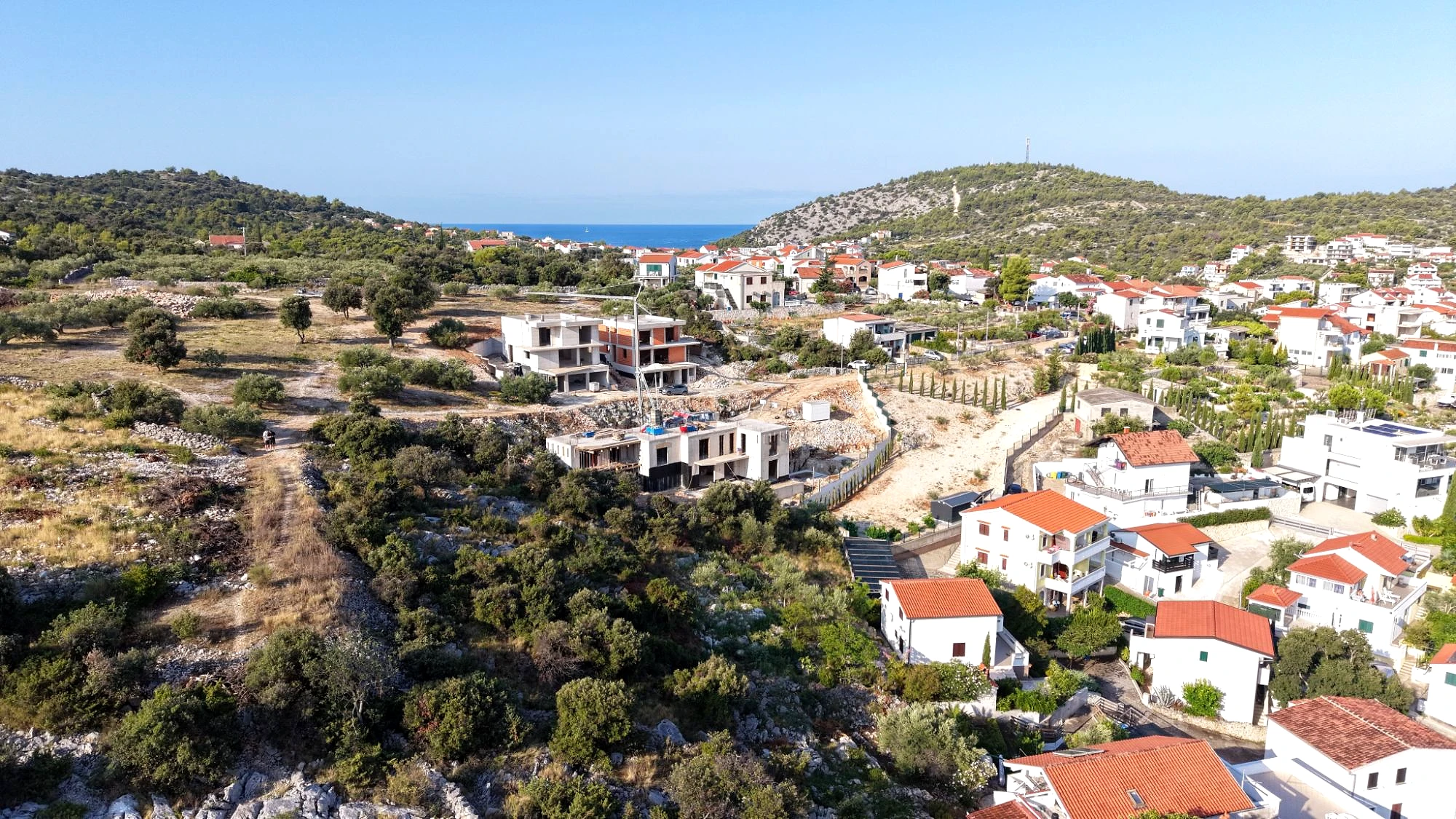
At Croatian Hills, buyers deal directly with the developer behind the homes. We can share permit status, plans and specifications early, so your lawyer has what they need from the start. Explore Hilltop and Northill, or request details.
This article is general information, not legal or tax advice. Rules can change, so always take independent legal advice before buying.